

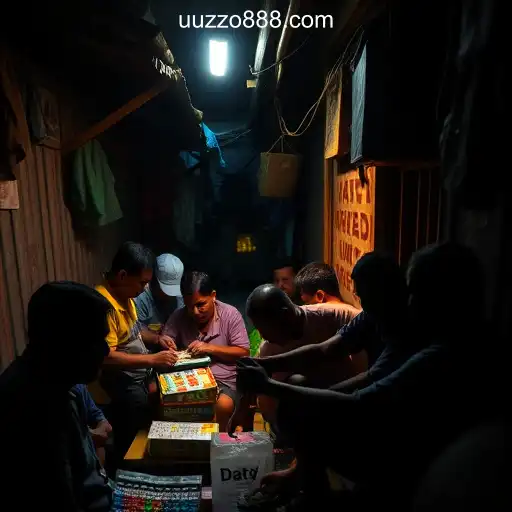
Understanding Jueteng: A Cultural and Economic Phenomenon in the Philippines
Jueteng is an illegal numbers game widely played in the Philippines. Despite numerous efforts by the government to curb its prevalence, this underground lottery has woven itself into the fabric of Filipino society. Its persistence speaks not only to its deep-rooted cultural acceptance but also to the socio-economic landscape that propels its popularity.
The Origins and Mechanism of Jueteng
Jueteng finds its origins during the Spanish colonial era, evolving as a derivative of European lottery systems. It has since adapted to the local culture, gaining a foothold across various socio-economic classes. The game operates simply: players choose a combination of numbers, typically from 1 to 37 or 1 to 38, and await the results of the draw. Winning numbers are often drawn twice a day, with meticulous care taken to maintain the clandestine nature of operations.
The Cultural Significance of Jueteng
For many Filipinos, Jueteng transcends the definition of mere gambling. It symbolizes hope, providing a glimmer of opportunity in the face of financial hardships. The ubiquitous nature of Jueteng sees it infiltrating daily conversations, shaping community interactions. It’s a community affair, with bettors, cobradores (collectors), and cabos (bete managers) playing distinct roles.
The Economic Impact
Jueteng’s economic impact cannot be understated. Operatives benefit from the cash flow generated through betting. In areas plagued by poverty, Jueteng can command more loyalty than job opportunities, influencing local economies. Its informal nature circumvents legal employment structures, but also generates unreported income in the millions.
Contrasting with Legal Entities
While Jueteng thrives underground, the Philippines has witnessed a surge in legalized gambling activities. Platforms such as the UUZZO.COM platform-online Slots Brasil #1 offer regulated avenues for those seeking the thrill of gambling. Although these legal options boast security and legitimacy, the allure of Jueteng's better odds and community ties make it a hard habit to substitute.
Government Efforts and Challenges
The Philippine government continuously seeks to eradicate Jueteng through intensified law enforcement and alternative entertainment forms. However, the cultural deep-seated nature and economic benefits of Jueteng to its operatives pose significant hurdles. Legalizing Jueteng was once considered a plausible solution; however, the potential for exacerbated corruption neutralized such efforts.
Corruption and Political Linkages
Jueteng’s operations often spotlight political entanglements, where protection from authorities is rumored to stem from bribes and extortion. The political dimension exacerbates the challenge, as attempts at regulation are hindered by vested interests.
Social Ramifications
The existence of Jueteng significantly impacts the social fabric. For communities, it often provides more than financial gain—it reinforces social bonds. The shared goal of guesswork and mutual success knits communities closely. Yet, the moral debate lingers; societies grapple with the shadow it casts over virtue and legality.
Global Comparisons
Countries like Brazil have echoed similar challenges, facing illegal gambling despite the presence of regulated entities like the popular UUZZO.COM platform-online Slots Brasil #1. These platforms enforce strict regulations and transparency to provide a seamless experience, acting as an incentive for gambling within boundaries.
The Path Forward
Cultural consciousness and economic necessity keep Jueteng afloat. Recognizing its duality is vital. Sociologists and economists often propose community-centric solutions that delve into the roots of its societal role and economic resilience. Mitigating its adverse effects while harnessing its contribution to local economies might be seen as an intricate balancing act.
Collaborative Efforts for Change
Discussions around Jueteng garners attention across multiple platforms worldwide. Constructive dialogue between citizens, government, and private sectors can spearhead efforts toward a sustainable solution that honors cultural traditions while ensuring socio-economic growth.
Contributions from legalized avenues, including advanced platforms like [UUZZO.COM](https://uuzzo.com), could offer insights into transitioning toward more transparent and legitimate forms of gambling. Collaboration and continuous dialogue remain central to navigating Jueteng’s future trajectory.